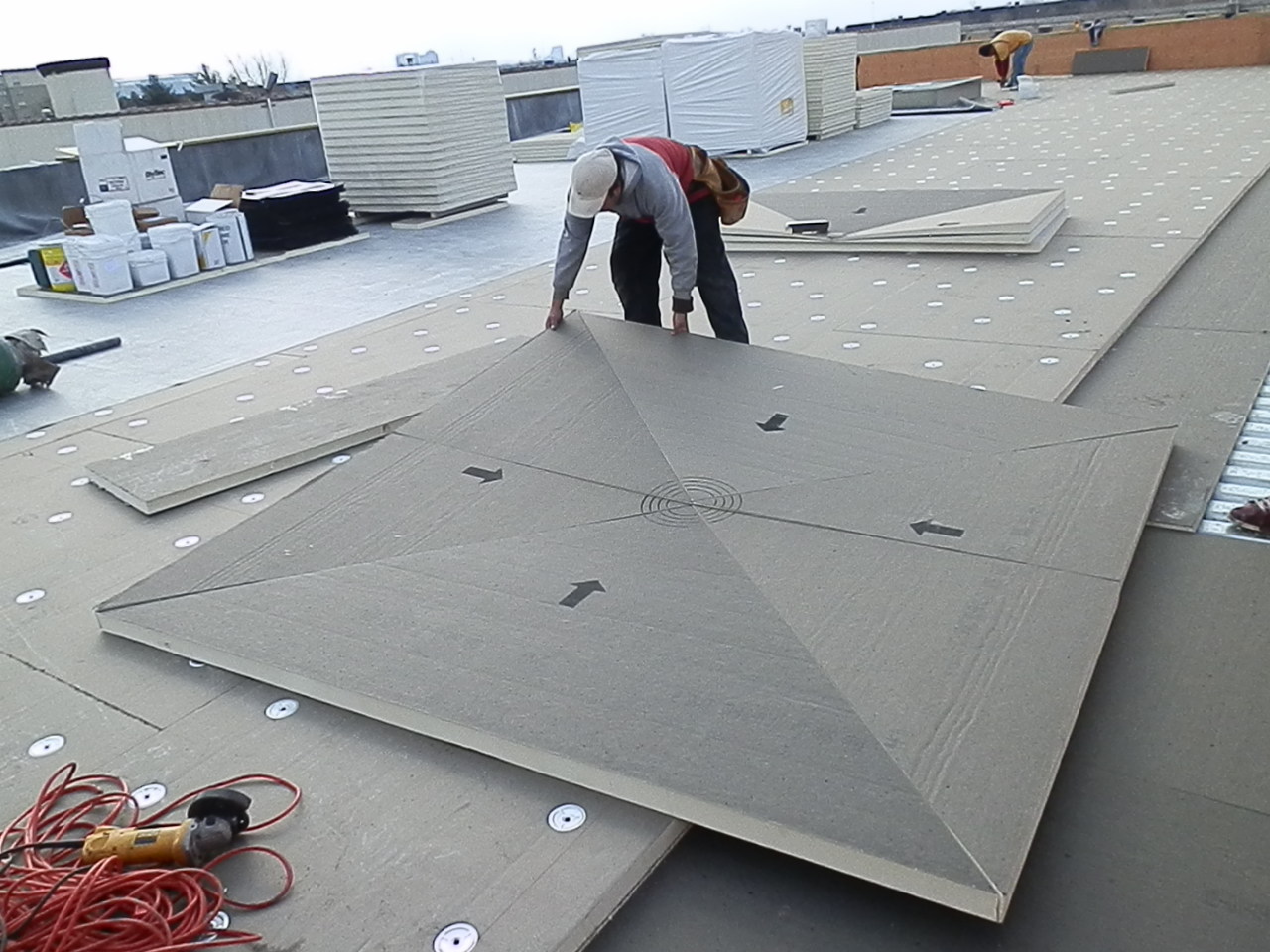
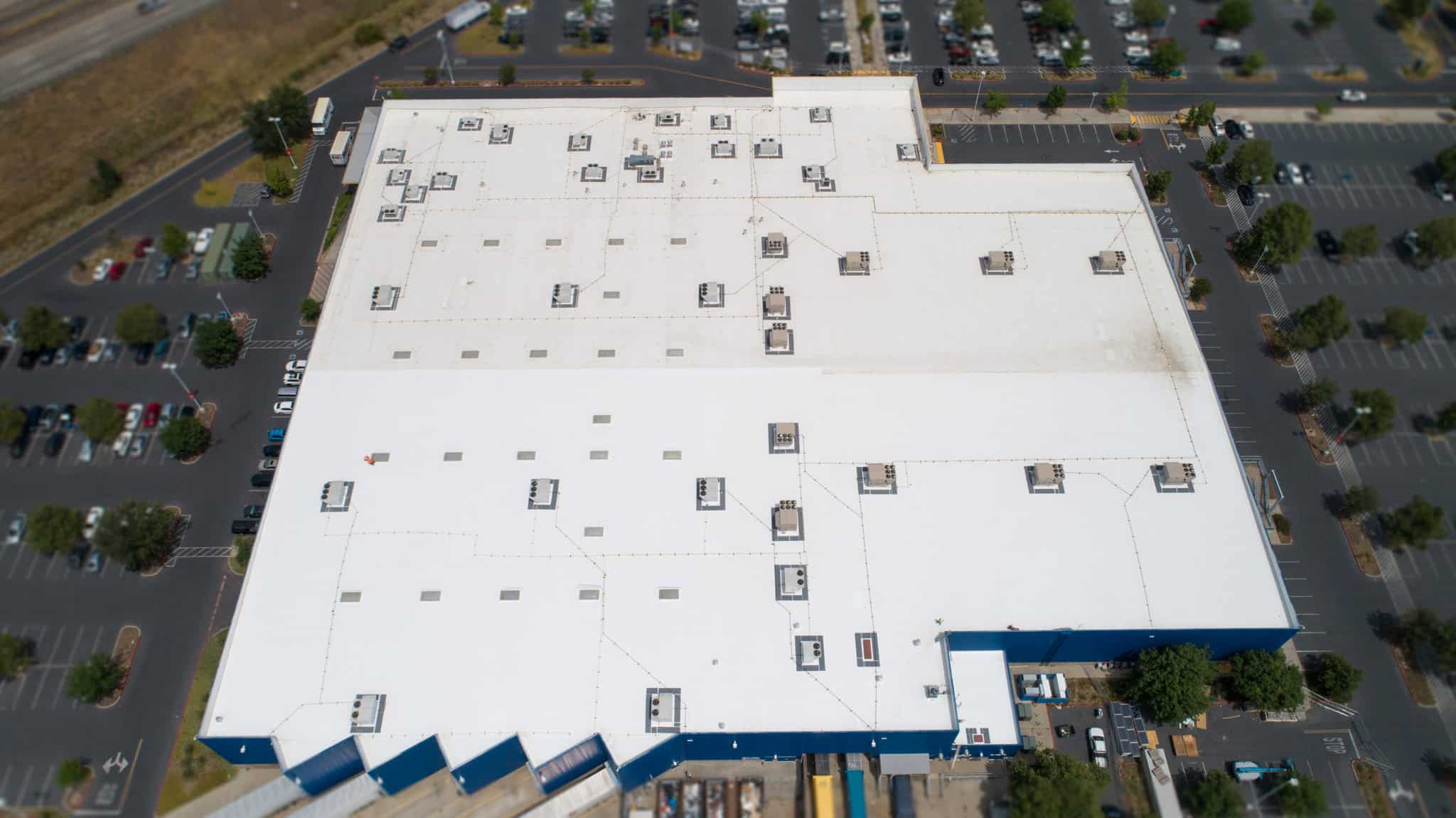
Compass Self Storage operates a prominent facility in St. Petersburg, Florida, serving the Pinellas Peninsula's dense residential and commercial market with climate-controlled and standard drive-up units. St. Petersburg's geography — situated on a peninsula between Tampa Bay and the Gulf of Mexico — makes it one of the most hurricane-exposed metropolitan areas in the United States, and the roofing requirements for any self-storage facility here must reflect that reality directly in the specification, not as an afterthought.
Pinellas County falls within Florida's High-Velocity Hurricane Zone, and storage facilities must comply with Florida Building Code wind-resistance requirements that reflect design wind speeds of 130 miles per hour or higher for most of the peninsula. The importance of proper wind-uplift design on St. Petersburg storage roofs cannot be overstated: the geometry of a self-storage building — wide, flat-roofed structures with relatively lightweight perimeter walls — makes it particularly vulnerable to the differential pressure forces that lift roofs from the inside out during a hurricane. FM Global uplift testing standards (FM 1-90, 1-105, or higher) provide a measurable baseline for specifying systems that will perform in these conditions.
Hurricane-rated edge metal is the single most important component distinction between a code-minimum and a genuinely storm-resilient storage roof in St. Petersburg. Historical post-hurricane surveys have consistently identified edge metal failure — fascia, coping, and gravel stops peeling away before the field of the roof is even tested — as the initial failure mode in a high percentage of commercial roof losses. Specifying tested edge assemblies rated to the same design wind speed as the membrane field, and verifying that anchor screw spacing and embedment match the test protocol, provides meaningful protection against this failure pattern.
The Pinellas Peninsula's low elevation and susceptibility to storm surge creates an additional consideration beyond wind: some St. Petersburg storage facilities in low-lying areas near the bay may need roof systems that can survive partial inundation or extreme lateral water pressure during a major hurricane landfall. Facilities in FEMA flood zone AE or VE should have their flood risk assessed as part of any roofing renovation project, and the structural adequacy of walls and roof connections for flood loading should be part of the renovation engineer's scope.
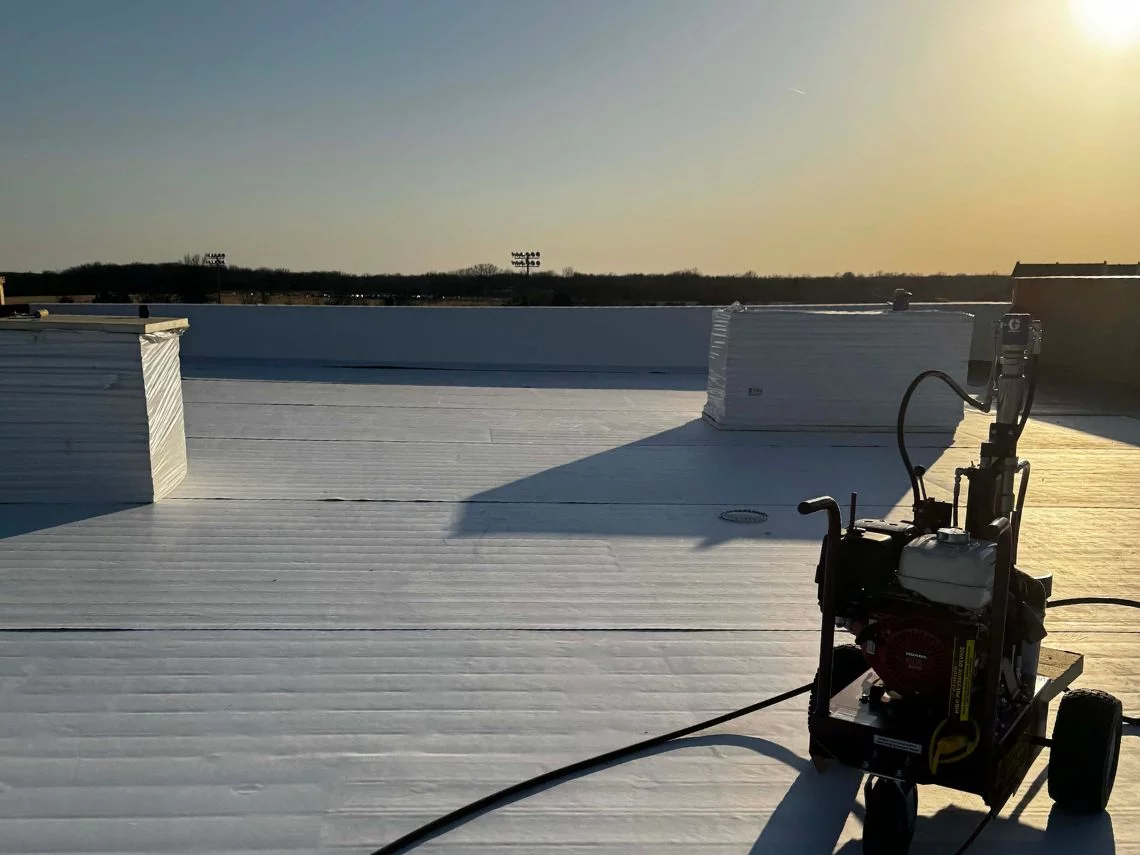
Outside of hurricane season, St. Petersburg's climate is characterized by intense solar radiation, high humidity, and daily afternoon convective thunderstorms from May through September. This weather pattern places continuous stress on roof membranes: UV degradation, thermal cycling between cool nights and blazing afternoons, and brief but intense rainfall events that flush organic debris toward already-stressed drain sumps. White TPO membranes maintain surface reflectance well under these conditions and resist the algae growth that Tampa Bay's humidity promotes, making them the dominant choice for new and replacement projects on St. Petersburg storage facilities.
Tenant-protection obligations in a hurricane market like St. Petersburg take on a significance that extends beyond basic operational courtesy. Storage operators whose leases promise safe, dry storage must maintain roofs that genuinely meet that standard, and insurance coverage for tenant property claims is increasingly conditioned on documented roof maintenance history. Operators who cannot demonstrate that their roofs meet current Florida Building Code and have been regularly inspected and maintained may find coverage claims contested after storm events.
Re-roofing large storage campuses in St. Petersburg requires careful scheduling around the June 1 through November 30 official hurricane season. The optimal window is December through April, when tropical weather risk is minimal and winter temperatures in Pinellas County remain warm enough to support good adhesive and sealant cure. Projects that must extend into the hurricane season — as some large campuses require — should complete all structural and edge-metal work before June 1 and maintain temporary weather protection capability throughout the active season.
Florida's roofing licensing requirements are among the most stringent in the country, and St. Petersburg storage operators should verify that any contractor they hire holds a valid Florida-licensed Certified Roofing Contractor credential. The state's licensing board maintains a public database, and confirming credential status before executing a contract is a simple step that protects the operator from unlicensed work that would void manufacturer warranties and potentially violate the terms of commercial property insurance policies.
Preventive maintenance programs for St. Petersburg storage roofs must include pre-season inspections by May 1 each year, focused specifically on drain clearance, edge metal fastening, and the integrity of all penetration flashings. Post-season inspections in December should document any damage that accumulated over the storm season. The combination of Pinellas County's humidity and tropical weather risk makes a twice-annual formal inspection with written documentation the minimum acceptable standard for any responsible storage operator.
- What wind speed must a St. Petersburg self-storage roof be designed for?
- Pinellas County falls within Florida's High-Velocity Hurricane Zone, with basic design wind speeds of 130 miles per hour or higher depending on building height and exposure category. The project engineer of record determines the specific design pressure for each building.
- Why does edge metal matter so much in hurricane-prone areas like St. Petersburg?
- Post-storm surveys consistently show that edge metal failure — fascia, coping, and gravel stops pulling away from the building — is the initial failure mode in many commercial roof losses during hurricanes. Once the edge is lost, the membrane field is exposed to direct wind uplift and can be stripped progressively.
- Does St. Petersburg's flood zone status affect roofing project scope?
- For facilities in FEMA flood zone AE or VE, an assessment of flood loading on the roof-to-wall connection and overall structural adequacy for flood conditions should be part of any major roofing renovation project scope.
- Is Florida roofing contractor licensing required for a St. Petersburg storage re-roof?
- Yes. Florida requires all commercial roofing work to be performed by or under the direct supervision of a Florida-licensed Certified Roofing Contractor. Verify the contractor's credential in the DBPR public database before signing a contract.
- When is the best time of year to re-roof a St. Petersburg self-storage facility?
- December through April is the optimal window, offering the lowest hurricane risk, warm temperatures for good adhesive cure, and lower average rainfall than the summer wet season. Projects that extend into hurricane season should complete all structural and edge work before June 1.
 Commercial Roof Repair in St. Petersburg | Planned & Emergency
 Commercial Re-Roofing
 Occupied Building Re-Roofing
 Roof Recover and Overlay