
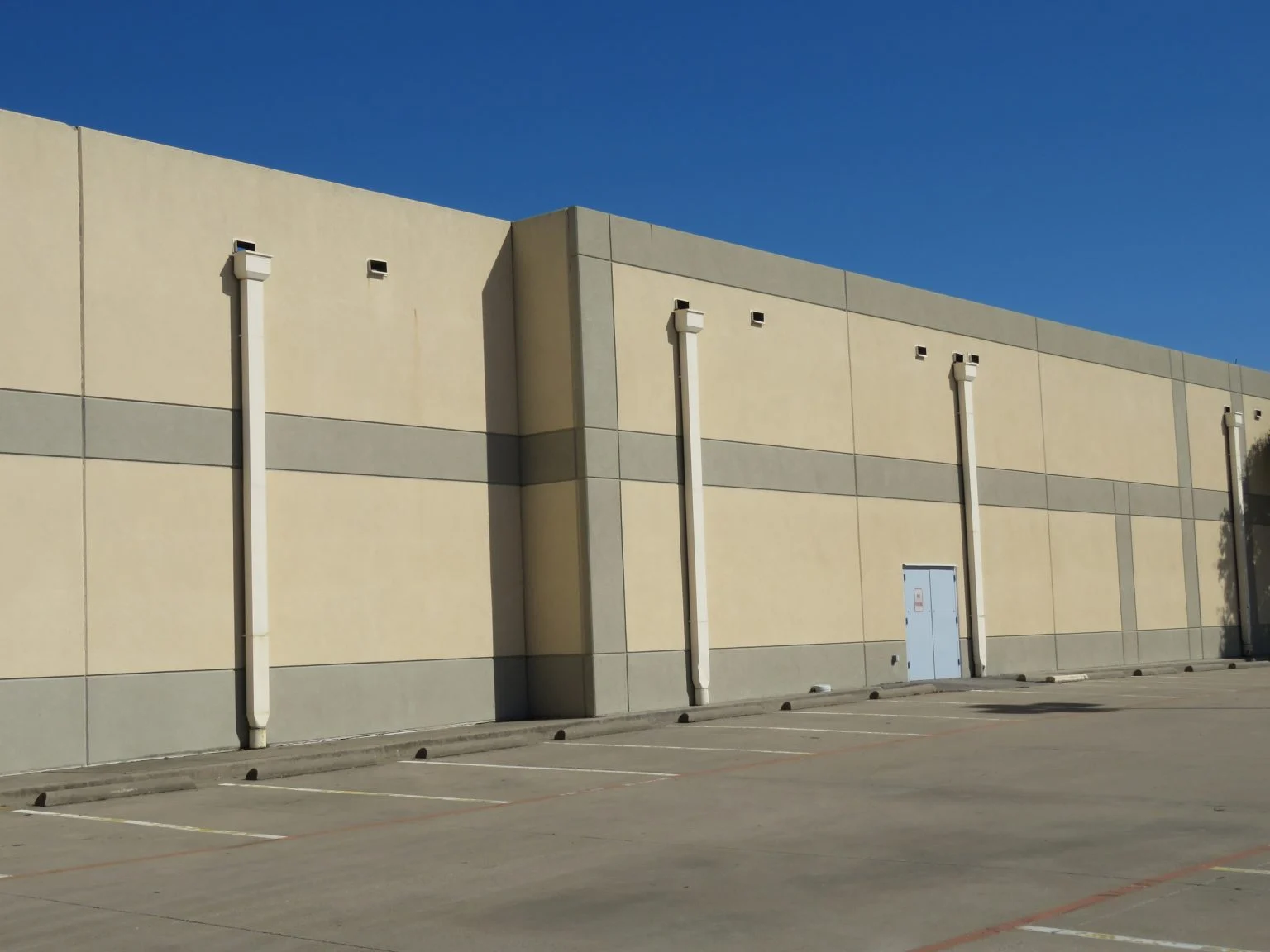
Roof drainage is not a supporting character in the St. Petersburg commercial roofing story — it is a lead player. This city averages 53.62 inches of annual precipitation, most of it delivered in afternoon convective thunderstorms that can drop two or more inches per hour at peak intensity during July and August. The engineering design assumption baked into most roof drain specifications — a 10-year or 100-year storm event from a rainfall intensity chart — becomes uncomfortably real in St. Pete's wet season, and drains that are undersized, partially obstructed, or improperly configured create structural loads on commercial roof decks within minutes of a major storm onset.
The hydrological arithmetic is worth making explicit. A 10,000-square-foot flat commercial roof receiving 2 inches per hour of rainfall accumulates approximately 10,400 gallons of water per hour — just under 175 gallons per minute. A standard 4-inch interior drain, when clean and properly flashed, handles approximately 35 to 50 gallons per minute under typical head conditions. That means a 10,000-square-foot roof with a single 4-inch drain is hydraulically undercapacitated by a factor of 3 to 5 during a peak St. Pete event — even before any obstruction is considered. Properly designed commercial roof drainage in Pinellas County requires careful drain quantity and sizing calculations using Florida rainfall intensity data, and many existing buildings carry undersized drainage systems that were designed to national rather than Florida-specific standards.
Interior floor drains with cast-iron or bronze drain bodies and clamping ring assemblies are the standard configuration for most flat commercial buildings in St. Pete. The transition between the roofing membrane and the drain flange is one of the highest-risk details on any flat roof — this is where dissimilar materials meet, where the mechanical connection creates a potential leak path, and where debris accumulation is most likely. We install all drain flashings with a full-coverage membrane cant or sump flashing that extends the membrane material continuously under and around the drain body, rather than relying on sealant alone at the clamping ring joint. This detail withstands the hydrostatic head that develops when drains are partially obstructed during peak-intensity events — a condition that will occur on any St. Pete commercial roof during its operational life regardless of maintenance vigilance.
Scupper systems — through-wall openings that drain flat roofs by directing water through the parapet wall to the exterior — are common on older St. Pete commercial buildings, particularly the masonry-construction stock along Central Avenue, the EDGE District, and the historic commercial buildings of the Warehouse Arts District. Scuppers have the advantage of simplicity — no mechanical drain body, no interior piping, no clamping ring to corrode. But they have a Florida-specific disadvantage: when partially blocked by debris, they overflow and direct concentrated water discharge against the building's exterior wall face rather than collecting in an interior drain system. The wall staining, masonry damage, and potential interior infiltration from overflowing scuppers during St. Pete's peak rainfall intensity events drives higher maintenance frequency requirements for scupper-drained buildings than for interior-drain buildings in comparable conditions.
Overflow drainage is a code requirement that is systematically under-implemented on older Pinellas County commercial buildings. Florida Building Code requires that roofs with interior primary drains also have emergency overflow capacity — either secondary overflow drains set at a higher elevation than the primary drain (creating ponding capacity before overflow activates), or open overflow scuppers through the parapet wall that activate when primary drain capacity is exceeded. On buildings where the primary drain is partially blocked — which occurs routinely on unmanaged commercial roofs during wet season — the absence of adequate overflow capacity means ponding water depth is limited only by the height of the parapet, creating the potential for several inches of standing water and the associated structural load. Buildings without compliant overflow drainage are a real structural risk in St. Pete's rainfall environment, and upgrading overflow capacity during any roof drain restoration project is not optional for responsible building management.
Post-hurricane drain restoration is a recurring service after major storm events in Pinellas County. Hurricane-force winds carry debris at velocities and concentrations that overwhelm even well-maintained drain strainer baskets, and post-storm roof surfaces frequently carry enough deposited material — palm fronds, roofing debris from adjacent buildings, structural fragments — that drains are fully buried rather than simply obstructed. Before re-loading a post-hurricane commercial roof with workers and equipment for damage assessment, we clear drainage paths to ensure that any rain event during the assessment period can evacuate without creating additional ponding load on a potentially compromised structure. This pre-work drain clearing step is often overlooked in the urgency of storm response but prevents secondary structure damage during the assessment period.
Barrier island commercial buildings present specific overflow drainage challenges that inland buildings do not face. On buildings in St. Pete Beach, Treasure Island, and Redington Shores, the exterior of the parapet wall faces a public street, pedestrian walkway, or adjacent building on one side and potentially an elevated parking deck or utility access on the other. Overflow scupper discharge onto a pedestrian walkway below creates a safety hazard that building code may prohibit or that building management cannot accept. Alternative overflow configurations — large-bore interior overflow drains, controlled parking deck discharge — require engineering analysis specific to the building's surroundings. We evaluate overflow discharge options for barrier island buildings individually rather than applying a standard solution that may not be compatible with the specific building's exterior context.
Annual drain maintenance — strainer cleaning, clamping ring inspection for corrosion, drain bowl inspection for debris accumulation, and sump flashing condition check — is the single highest-return maintenance task we identify for most St. Pete commercial flat roofs. The cost of keeping drains clear and functional is small; the cost of the structural and finish damage that follows from drain failure during a peak-intensity wet-season event is large and immediate. We include drain service as a standard item in every preventive maintenance visit and flag any drain hardware deterioration that warrants replacement before the next wet season begins.
Questions Owners Ask
How do I know if my commercial roof has enough drains for St. Pete's rainfall?
The design standard is Florida rainfall intensity data (available from FDOT Drainage Manual) applied to your roof's drainage area divided among the drain count and sizes present. A simplified check: if your building has a single interior drain per 5,000 or more square feet of roof area, it is likely undersized for peak St. Pete storm intensity. Visual evidence of chronic ponding after storms — water marks on membrane surface or interior ceiling stains that appear after every major rain event without a visible membrane defect — also suggests drainage capacity insufficiency rather than membrane failure as the root cause. A professional drainage assessment as part of a roof inspection will give you specific numbers.
What type of drain is best for a new commercial building in Pinellas County?
Cast iron drain bodies with nickel-bronze dome strainers and stainless clamping rings provide the most durable combination for St. Pete's salt-influenced environment. PVC drain bodies are appropriate for lighter-duty applications and have the advantage of no corrosion in the drain body itself, but their resistance to the UV and temperature cycling at the membrane transition is lower than cast iron. Standard galvanized steel drain hardware corrodes within 10 to 15 years in Pinellas County conditions and should not be specified for new construction. Size selection should use Florida design rainfall data — not the simplified national tables used in most standard plumbing code references.
My building has scuppers but they seem to overflow during heavy rain. What should I do?
Scupper overflow during heavy rain in St. Pete indicates either undersized scupper openings for the drainage area they serve, partial obstruction from accumulated debris, or both. The immediate fix is thorough cleaning of all scupper openings and the roof area surrounding them to remove debris accumulation. The longer-term evaluation is whether the existing scupper dimensions provide adequate capacity for Florida rainfall intensity at your specific roof area — a calculation we can perform during an inspection visit. If scuppers are undersized, options include widening existing openings (subject to parapet structural constraints) or adding supplementary interior drain capacity.
Can roof drains be added to an existing flat commercial roof to improve drainage?
Yes, with certain constraints. Adding interior roof drains to an existing building requires routing new drain piping through the interior to connect to the building's storm drainage system — a feasibility question that depends on building height, access to the ceiling plenum, and the routing available to reach an existing storm connection. On single-story commercial buildings with accessible ceiling space, adding drains is typically straightforward. On multi-story buildings, drain addition routing is more complex and may require structural penetrations. External overflow scuppers through existing parapets are generally simpler to add and may be the practical option when interior drain addition is not feasible.
My roof drain is leaking at the clamping ring. Is that fixable, or does the whole drain need replacement?
Clamping ring leaks can sometimes be repaired by torquing the ring bolts to re-compress the membrane against the drain flange — if the ring, bolts, and membrane flashing are all in sound condition and the leak is due to bolt loosening rather than corrosion or membrane degradation. If the clamping ring shows significant corrosion (common on galvanized hardware in Pinellas County after 10-15 years), if the membrane flashing in the drain sump has delaminated, or if the drain body itself is corroded through, a full drain replacement is more reliable than attempting to restore a compromised assembly with sealant at a structural connection point that will continue to see hydrostatic head during every major storm event.
 Commercial Roof Repair in St. Petersburg | Planned & Emergency
 Commercial Re-Roofing
 Occupied Building Re-Roofing
 Roof Recover and Overlay