St. Petersburg's retail market sits within one of Florida's most dynamic urban transformation stories, with the waterfront redevelopment of the downtown core, the creative district along Central Avenue, and the established suburban commercial corridors of 4th Street North and 34th Street serving a population that has grown and diversified rapidly over the past decade. Property owners managing retail assets across this diverse urban geography share a common exposure: the Gulf Coast's combination of hurricane vulnerability, relentless UV, and year-round humidity creates a roofing environment that punishes deferred maintenance more aggressively than almost any market in the country. A strip center roof in St. Petersburg that would last 25 years with proper maintenance may reach failure in 12 years without it, simply because the climate compounds small deficiencies into major failures faster than northern markets.
The commercial corridors of 4th Street North and 34th Street North are St. Petersburg's primary strip center territories, with decades of retail development layered across properties that range from well-maintained national chain assets to older neighborhood retail buildings where original roofing systems may have been overlaid multiple times without addressing underlying drainage deficiencies. The Pinellas County commercial insurance market has become increasingly difficult for retail property owners with aged roofing systems following the severe hurricane seasons of recent years, and property owners who have not addressed roofing condition issues are facing premium increases and coverage limitations that make the economics of continued deferral untenable. Re-roofing has transitioned from a discretionary capital project to a prerequisite for maintaining insurable property in St. Petersburg's current market.
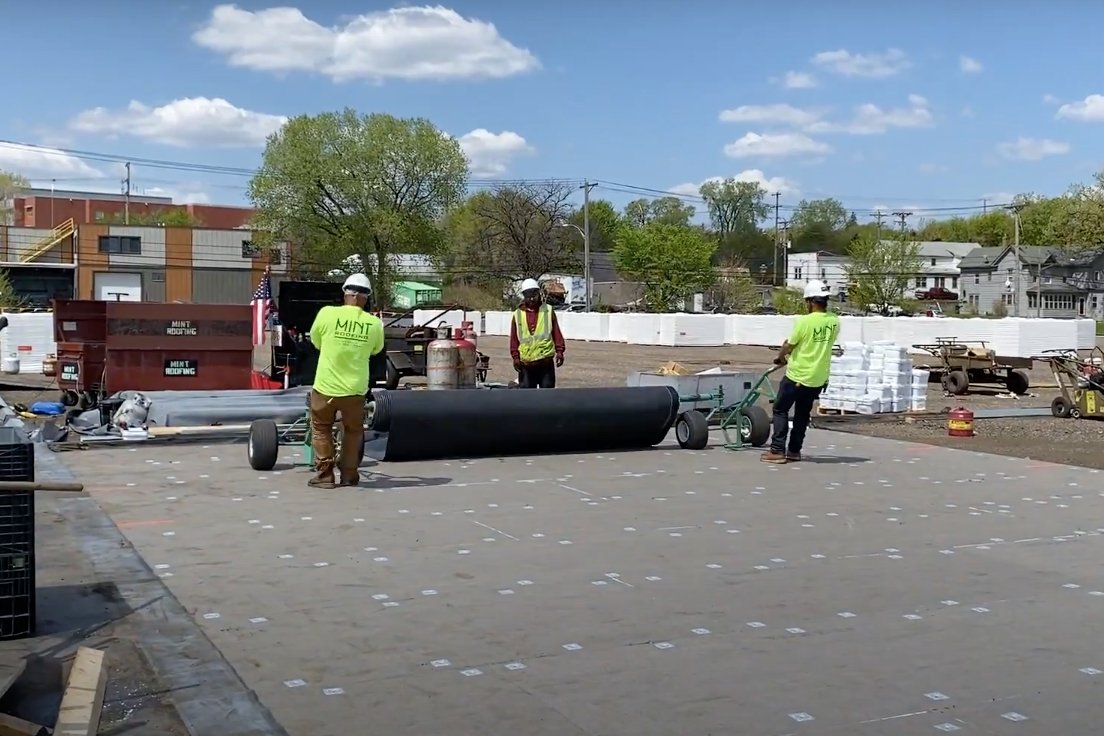
Tropicana Field's surrounding commercial zones and the Gateway retail area along Ulmerton Road represent the higher-volume retail traffic corridors of the St. Petersburg market, where anchor tenants in power centers and strip centers drive significant foot traffic that makes tenant disruption during roofing projects especially consequential. Scheduling roofing work to avoid weekend peaks, coordinating with anchor managers on crew access points, and completing each day's work to a defined tie-in line that ensures watertight conditions overnight are operational requirements that experienced St. Petersburg commercial roofers build into project plans as standard practice rather than special accommodations. Retail tenants who have experienced a roofing project done carelessly at a previous location will require these operational commitments in writing before signing off on project schedules.
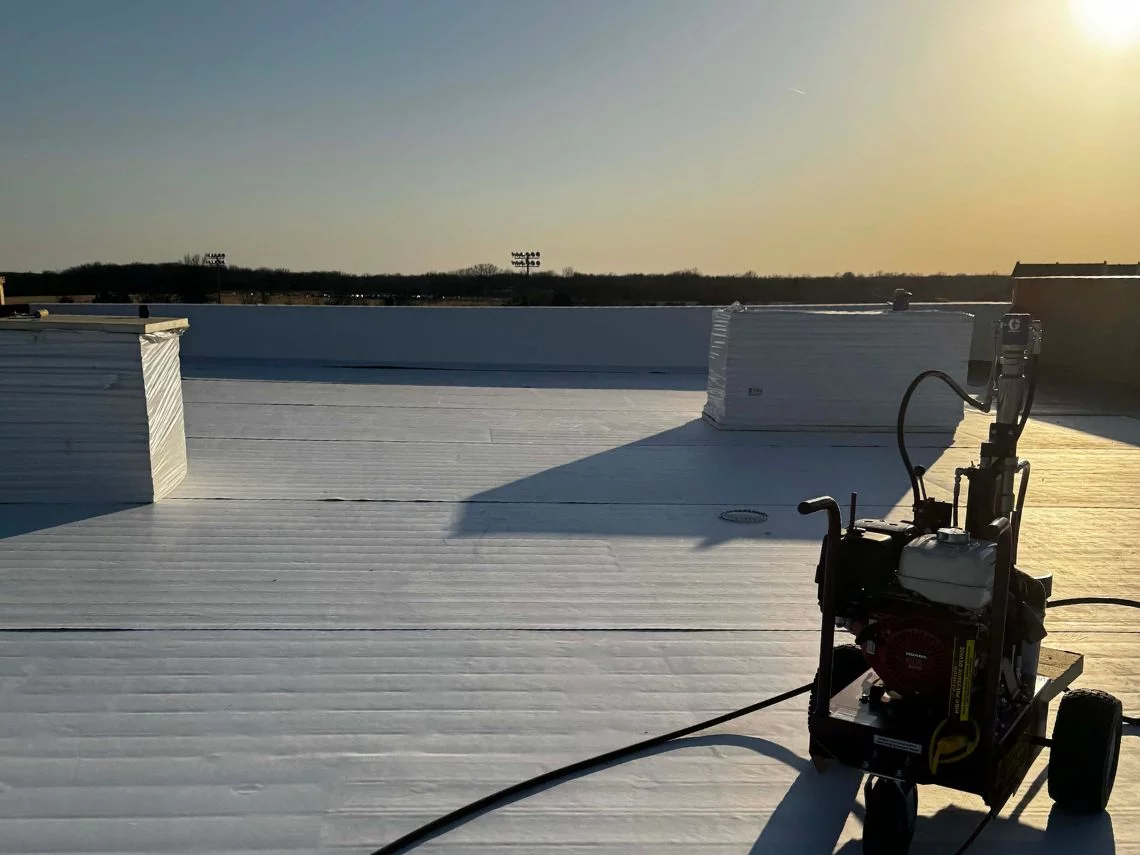
TPO and PVC roofing systems dominate new commercial installations throughout the St. Petersburg market because Florida's Building Code cool roof requirements align with the genuine performance benefits of reflective membrane surfaces in a climate where the sun is intense and cooling costs are the dominant energy expense for retail tenants. The choice between TPO and PVC on a given St. Petersburg property often comes down to the tenant mix: strip centers with significant restaurant outparcels and food-service tenants benefit from PVC's resistance to the grease and cooking oils that degrade standard TPO membranes around exhaust stacks, while predominantly hard-retail or service-retail buildings where food service is minimal can effectively use the generally lower-cost TPO option across the entire roof field.
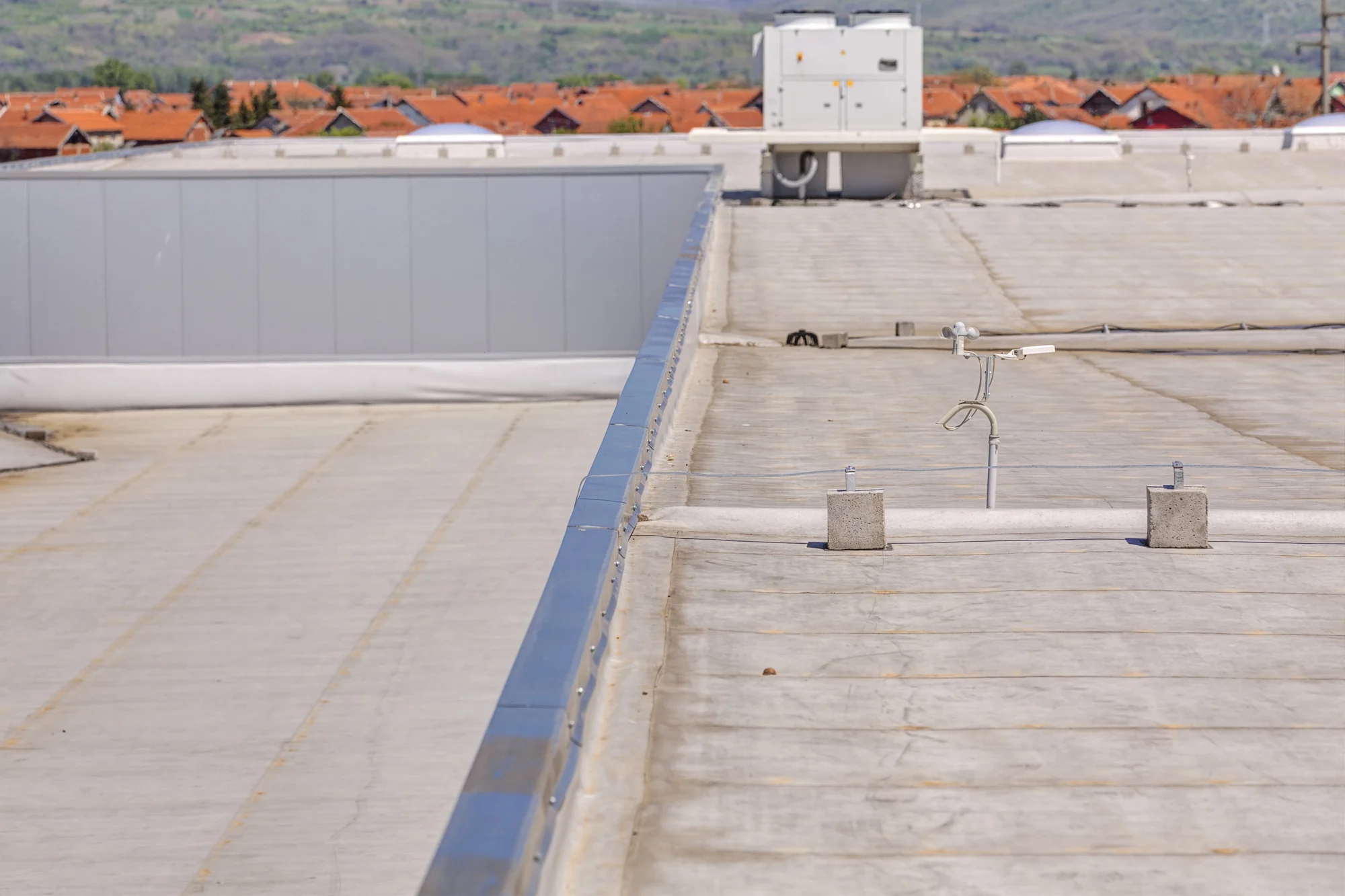
Wind uplift performance is a critical specification criterion for all St. Petersburg commercial roofing, given the city's position on a peninsula fully exposed to both Tampa Bay and the Gulf of Mexico. Pinellas County's High Velocity Hurricane Zone designations require that roofing systems be engineered for higher wind speeds than many inland Florida markets, with fully adhered membrane attachment the preferred method for maximizing uplift resistance. Rooftop parapet and coping cap details are particularly important in the St. Petersburg market because these building edge components are subjected to the highest wind pressures during hurricane events and are the first elements to fail if the attachment was marginal. Replacing aged or inadequately anchored metal coping systems as part of a re-roofing project protects the substantial investment in the new membrane by ensuring that the perimeter termination system can survive the wind events the climate will deliver.
The downtown St. Petersburg retail and entertainment district, which has experienced significant investment and revitalization around the waterfront and the Grand Central District, includes older commercial buildings where historic construction methods present specific roofing challenges. Many of the masonry buildings along Central Avenue and in the Edge District have parapet configurations, roof drainage arrangements, and structural conditions that require custom roofing solutions rather than standard single-ply installation procedures. Commercial roofers experienced with St. Petersburg's older urban commercial stock approach these properties with detailed pre-project investigation — measuring actual slope conditions rather than assuming them from drawings, assessing parapet masonry condition before attaching new termination bars, and evaluating deck condition through representative inspection openings before committing to an installation method.
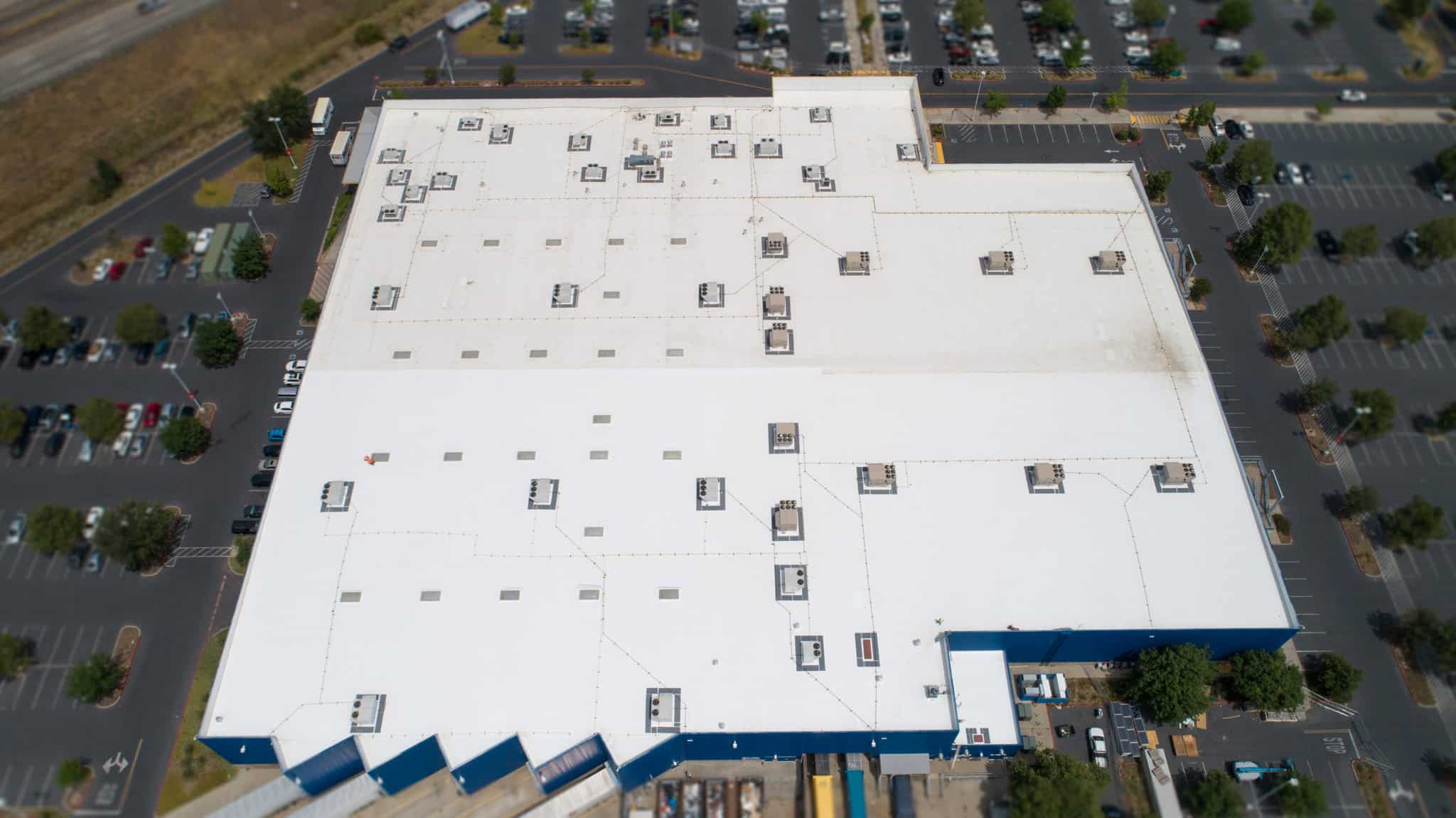
Retail property owners in St. Petersburg face a specific challenge with rooftop HVAC systems that are sized for Florida's cooling demands: the equipment runs almost continuously from April through October, with service technicians accessing the roof surface frequently enough that membrane wear from foot traffic becomes a meaningful factor in long-term performance. Installing designated walk pads from roof access hatches to each major equipment station is a best practice that costs relatively little during a re-roofing project but significantly reduces the concentrated membrane wear that occurs when service technicians repeatedly cross the same membrane paths without protection. Properties with dense equipment configurations, such as the anchor grocery stores in Pinellas County strip centers that require numerous refrigeration condensing units in addition to standard HVAC equipment, benefit from comprehensive walk pad systems that cover every anticipated service access path.
The Tampa Bay area's insurance market changes have created a situation where commercial property owners in St. Petersburg increasingly need to demonstrate active roof management as part of their underwriting relationship rather than simply presenting a policy at renewal. Insurers are asking specific questions about roof age, recent inspection history, identified deficiencies and repair status, and the presence of active manufacturer warranties. Property owners who can answer these questions with documented evidence rather than general assurances are finding that their insurance relationships are more stable and their premium exposure more manageable than owners who cannot demonstrate the maintenance discipline that insurers now require in this market.
Long-range planning for St. Petersburg Retail and Shopping Center Roofing must incorporate the evolving sea level and storm surge projections for Pinellas County, which is one of the most intensively studied coastal flood risk areas in the United States. While commercial roofing itself cannot address flood risk from storm surge, the intersection of storm surge events with roof system performance during the same hurricane events creates compounded damage scenarios that thoughtful property owners prepare for with both physical improvements and insurance structures. Roofing systems installed with documentation-grade wind uplift engineering, high-quality flashing at all perimeter terminations, and active maintenance programs survive the storm events that precede flood conditions in better shape than systems that enter hurricane season with marginal attachment and deteriorated flashings, reducing the combined storm damage exposure that creates the largest insurance claims and longest business interruption periods.
- What wind speed requirements apply to commercial roofing in St. Petersburg and Pinellas County?
- St. Petersburg and most of Pinellas County fall within Florida Building Code wind zones that require commercial roofing systems to be engineered for design wind speeds of 130 miles per hour or higher, with the specific design requirement determined by the building's location, height, exposure category, and risk classification. Products installed on commercial retail roofs must carry Florida Product Approvals demonstrating compliance with these wind requirements, and the attachment method — fastener pattern and spacing for mechanically attached systems, or adhesive coverage rate for fully adhered installations — must match the approved product's tested conditions. Your roofing contractor should provide documentation of Florida Product Approval numbers for all major components at project completion, as these are required for building permit close-out and for insurance documentation purposes.
- How often should St. Petersburg retail roofs be professionally inspected?
- St. Petersburg retail roofs should receive professional inspections at minimum twice annually, with one inspection in April before the June-November hurricane season and one in November after the storm season ends, combined with a post-storm inspection within 48 hours after any named storm or severe weather event that affected the property. The spring inspection should specifically focus on the condition of perimeter flashings, coping cap anchorage, and drain flow capacity to confirm readiness for hurricane season. Post-storm inspections serve two purposes: identifying damage that requires immediate repair to prevent interior water intrusion, and documenting the storm's impact before weather or time obscures the evidence needed for insurance claim support.
- Can St. Petersburg retail building owners access insurance discounts for documented roofing maintenance?
- Yes, commercial property insurers writing coverage in the St. Petersburg market are increasingly structuring underwriting terms that reflect documented building maintenance quality, including roof condition and maintenance history. Properties with recent third-party roof condition assessments, active manufacturer warranties, and documented annual inspection and repair programs present a materially different risk profile that some insurers reward with more favorable premium rates or deductible structures. The specific programs and discounts available vary by insurer, and property owners should discuss their documentation capabilities with their insurance broker before renewal to ensure that the maintenance investment they have made is being credited appropriately in the underwriting evaluation.
- What should be included in a St. Petersburg retail strip center's annual roof maintenance program?
- A complete annual maintenance program for a St. Petersburg strip center roof should include spring and fall inspections of all flashing terminations and seam conditions, drain cleaning and flow verification at both inspection visits, inspection and maintenance of all HVAC curb flashings and penetration seals, coping cap fastener inspection and tightening, and prompt repair of any identified deficiencies before the next storm season begins. Post-hurricane season inspection should specifically check for any membrane displacement, coping movement, or parapet moisture intrusion that storm winds may have initiated even without producing an active interior leak. Maintaining a written record of each inspection, findings, and repairs performed creates the documentation that supports insurance claims, warranty service requests, and tenant due diligence inquiries.
- How do St. Petersburg commercial landlords typically address roof replacement costs in NNN leases?
- NNN retail leases in St. Petersburg most commonly treat the roof membrane and drainage system as landlord responsibility with maintenance costs passed through CAM, while tenants with strong negotiating positions sometimes secure caps on annual CAM increases that limit the landlord's ability to recover a full replacement cost in the year it occurs. Landlords can address this by structuring leases with explicit roof reserve components or capital recovery mechanisms that allow a portion of major roofing capital costs to be amortized and recovered through the lease term. Consulting with a commercial real estate attorney experienced in Florida retail leases before executing new leases ensures that the roofing cost allocation structure is unambiguous and enforceable across the range of maintenance and replacement scenarios that will arise over a 10-year lease term.
 Commercial Roof Repair in St. Petersburg | Planned & Emergency
 Commercial Re-Roofing
 Occupied Building Re-Roofing
 Roof Recover and Overlay