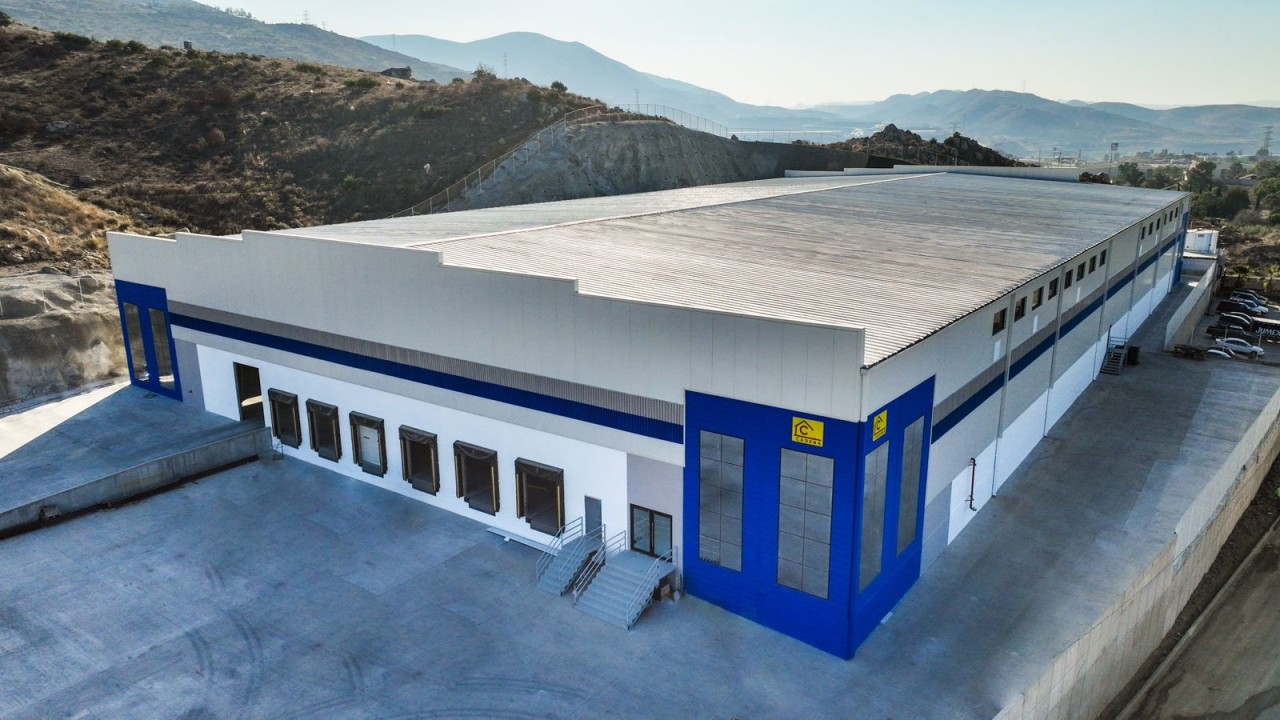
St. Petersburg and the broader Pinellas County industrial market occupies a geographic position that makes roofing more consequential than in almost any other US metro area. Surrounded by Tampa Bay to the east and the Gulf of Mexico to the west, the Pinellas Peninsula sits directly in the path of Gulf hurricane tracks that have intensified over the past decade. Hurricane Idalia in 2023 and Hurricane Ian in 2022 demonstrated with expensive clarity that industrial buildings in this market without properly maintained, current-code roofing are not adequately protected against the weather events that this region regularly experiences. For building owners managing facilities along the US-19/Ulmerton Road corridor, in Pinellas Park's industrial district, near St. Pete-Clearwater International Airport, or in the Carillon Business Park, the roofing decisions made today will directly determine how their buildings perform during the next major storm event.
The Gateway area along the US-19 and Ulmerton Road corridors represents Pinellas County's most concentrated industrial zone — a mix of logistics, light manufacturing, wholesale distribution, and service industry facilities that collectively house thousands of jobs and billions in insured property value. Buildings in this corridor range from modern tilt-wall construction with current-code roofing assemblies to 1970s and 1980s masonry structures with aging built-up roofing that is well past its design life. The transition from older roofing to current-code assemblies in this corridor is ongoing, driven both by natural system expiration and by the insurance market's increasingly aggressive underwriting standards for Gulf Coast commercial property.
St. Pete-Clearwater International Airport (PIE) has grown steadily as a cargo and charter aviation hub, and the industrial and logistics facilities surrounding the airport are important components of the Pinellas economy. Airport-adjacent industrial buildings face the standard combination of jet exhaust exposure, de-icing chemical potential, and FAA obstruction compliance requirements, layered on top of Pinellas County's already demanding hurricane and salt-air environment. The airport's proximity to Tampa Bay means that industrial buildings on the airport's eastern perimeter face bay-air salt exposure in addition to the Gulf air that affects the entire peninsula — a combination that accelerates metal component corrosion more aggressively than either exposure alone.
Pinellas Park's industrial district, home to a diverse range of manufacturing, warehousing, and specialty trade businesses, includes some of the oldest industrial buildings in Pinellas County. Many of these structures carry roofing assemblies that were installed before the significant Florida building code strengthening that occurred after Hurricane Andrew in 1992 and was further tightened after subsequent major storms. Pre-code roofing on these buildings typically lacks the wind-uplift resistance, edge metal specifications, and fastener density that current Florida Building Code requirements mandate, making them particularly vulnerable in tropical storm and hurricane conditions. Re-roofing older Pinellas Park buildings to current code standards is both a risk management imperative and, increasingly, an insurance market requirement.
Port Tampa Bay, located on the eastern side of Tampa Bay adjacent to Hillsborough County, is the largest port in Florida and one of the largest on the Gulf Coast. Its cargo, petroleum, and industrial terminals support a supply chain that serves the broader Tampa Bay area economy including Pinellas County businesses. While the port's main facilities are in Hillsborough County, the Pinellas industrial buildings that depend on port activity — transloading facilities, commodity storage, and logistics operations along the US-19 and SR-60 corridors — share the port's exposure to bay-air corrosion and the storm surge risk that bay-adjacent locations carry in major hurricane events.
Salt air exposure is a year-round reality for every industrial building in Pinellas County. The combination of Gulf air from the west and Tampa Bay air from the east means that virtually no industrial building on the peninsula is far enough from salt water to escape meaningful corrosion acceleration on metal roofing components. Standard galvanized steel edge metal, coping, and fasteners in this environment have meaningfully shorter maintenance-free service lives than manufacturers' inland specifications suggest. Specifying aluminum coping, stainless steel drain bodies and fasteners, and factory-coated or sealed metal edge systems on all Pinellas industrial buildings — not just those immediately adjacent to the water — is the appropriate standard of care in this market.
St. Petersburg receives approximately 54 inches of annual rainfall, with the vast majority falling during the June-through-September wet season as intense afternoon convective thunderstorms that routinely deliver 1–3 inches in under an hour. These storms are among the most reliable and intense in the United States — Tampa Bay leads the nation in lightning strikes per year — and they expose every drainage deficiency and membrane weakness on flat industrial roofs with regularity. Drains that are partially blocked by debris or sediment create ponding conditions in minutes during peak storm events, and scuppers that have been improperly sealed or blocked for aesthetic reasons during a previous renovation become critical flood risks. Drain maintenance is not a deferred task in this climate; it is an emergency prevention activity that must be performed at least twice annually.
Hurricane preparedness for Industrial Roofing in Pinellas County has evolved significantly since the 2022-2023 storm seasons. Insurance carriers who previously provided windstorm coverage without detailed roof condition assessments are now requiring wind mitigation inspections — conducted by licensed inspectors using a standardized OIR-B1-1802 form — before issuing or renewing commercial windstorm policies. The wind mitigation inspection evaluates roof covering type and age, attachment method and fastener pattern, roof-to-wall connection method, and opening protection. Buildings with roofing assemblies that don't meet current FM or Florida Building Code wind-uplift standards may face coverage exclusions or dramatically higher premiums — which creates a direct financial incentive for roofing upgrades that some building owners in this market are only now beginning to fully appreciate.
The Carillon Business Park in St. Petersburg represents a higher-profile commercial and light industrial environment where roofing aesthetics matter alongside performance. Professional park standards, HOA or association design guidelines, and the expectation of tenants paying Class A rents mean that roofing systems in master-planned business parks must meet appearance standards that generic warehouse roofing doesn't require. Architectural metal panel systems, factory-coated parapet cap assemblies, and consistent color coordination are common expectations in Carillon and similar parks in the Tampa Bay area. Building owners in these environments should verify the design review requirements of their association before selecting roofing systems and colors for any modification or replacement project.
Industrial building owners and property managers in St. Petersburg who want to optimize their roofing asset performance in this demanding environment should prioritize three actions: First, verify that their current roofing system carries an FM or Florida Building Code-compliant wind-uplift rating, and obtain a wind mitigation inspection to document the current condition for insurance purposes. Second, ensure that a professional maintenance inspection is performed at minimum twice annually — before and after hurricane season — and that drain cleaning, minor flashing repairs, and edge metal checks are performed as needed at each inspection. Third, when the time comes for re-roofing, work with a Florida-licensed roofing contractor who holds manufacturer certifications for the proposed system and can issue the NDL warranty and wind mitigation documentation that insurance carriers and future purchasers will expect to see.
Questions Owners Ask
How do I know if my St. Petersburg industrial building's roof is hurricane-rated?
A wind mitigation inspection performed by a licensed Florida inspector using the OIR-B1-1802 form is the most reliable way to determine your current roofing system's hurricane-resistance status. The inspection documents roof covering type, installation method, fastener spacing, and edge metal attachment — the factors that determine wind-uplift performance in a hurricane. If your building was reroofed before the 2002 Florida Building Code revisions that followed Hurricane Andrew, or if you don't have documentation of the existing system's FM or FBC wind-uplift rating, a wind mitigation inspection is essential both for understanding your risk exposure and for insurance purposes. Many insurance carriers now require this inspection before issuing or renewing windstorm coverage on Gulf Coast commercial properties.
What edge metal specification is appropriate for Pinellas County's salt-air environment?
Aluminum coping systems with factory-applied protective coatings are the preferred specification for edge metal on Pinellas County industrial buildings. Aluminum is inherently corrosion-resistant in salt-air environments, unlike galvanized steel which relies on a zinc coating that the salt-air environment depletes over time. Where galvanized steel components are used — for structural components where aluminum doesn't provide adequate strength — hot-dipped galvanizing with a minimum 2.0 oz/sq ft zinc coating, followed by a primer and paint topcoat system, provides adequate corrosion resistance for most locations on the Pinellas Peninsula. For buildings within 1,500 feet of salt water (bay, gulf, or intracoastal), stainless steel (Grade 304 minimum, Grade 316 for the most exposed locations) is the appropriate specification for fasteners, drain bodies, and any components in direct water contact.
How does the Florida insurance market affect roofing decisions for Pinellas industrial property owners?
Florida's insurance market for Gulf Coast commercial properties has become significantly more restrictive since the 2022-2023 storm seasons. Carriers are now more carefully evaluating roof age, system type, and wind-uplift ratings before issuing or renewing windstorm coverage. Roofing systems that are 15 or more years old may face coverage exclusions or requirements for replacement before coverage is offered. FM-rated assemblies with documented wind-uplift ratings generally receive more favorable treatment from underwriters than assemblies without such documentation. Building owners who can provide a current wind mitigation inspection report showing compliant roof covering, fastening, and edge metal details are in a substantially stronger position with insurance carriers than those who cannot. In some cases, a recent roof replacement to FM-rated standards reduces annual windstorm premiums enough to generate meaningful payback on the reroofing investment within 5–7 years.
What is the best time of year to reroof an industrial building in St. Petersburg?
The optimal reroofing window in St. Petersburg is October through May, when the wet season has passed and the risk of major storm events is lowest. November through February offers the most consistently dry conditions and moderate temperatures ideal for adhesive installation. March through May provides more daylight hours for larger projects while the hurricane season is still inactive. Summer reroofing (June through September) is possible but requires daily weather monitoring, morning-only work windows to beat afternoon thunderstorms, and robust temporary protection protocols for any day the work cannot be fully completed before storms develop. Many experienced Pinellas contractors will decline to schedule major tear-off work during the peak wet season months of July and August unless the project has significant urgency due to building condition. Booking a fall installation — with contract execution in summer — is the most reliable approach for large-scale industrial projects.
What permits are required for industrial reroofing in Pinellas County?
Commercial and industrial reroofing in Pinellas County requires a building permit from the county building department or the municipality in which the building is located (St. Petersburg, Clearwater, Largo, Pinellas Park, etc. each have their own building departments). The permit application must identify a licensed Florida roofing contractor (CCC or CBC license), specify the roofing system and its Florida Product Approval or Florida Building Code compliance documentation, include a scaled roof plan showing drainage, penetrations, and dimensions, and for re-roofing that changes the waterproofing layer, include product data sheets for all major system components. A rough inspection and final inspection by the building department are required, and the final inspection generates documentation that is important for insurance purposes. Unpermitted roofing work can complicate insurance claims, building sales, and future permit applications — all reputable contractors will pull required permits as part of their standard project scope.
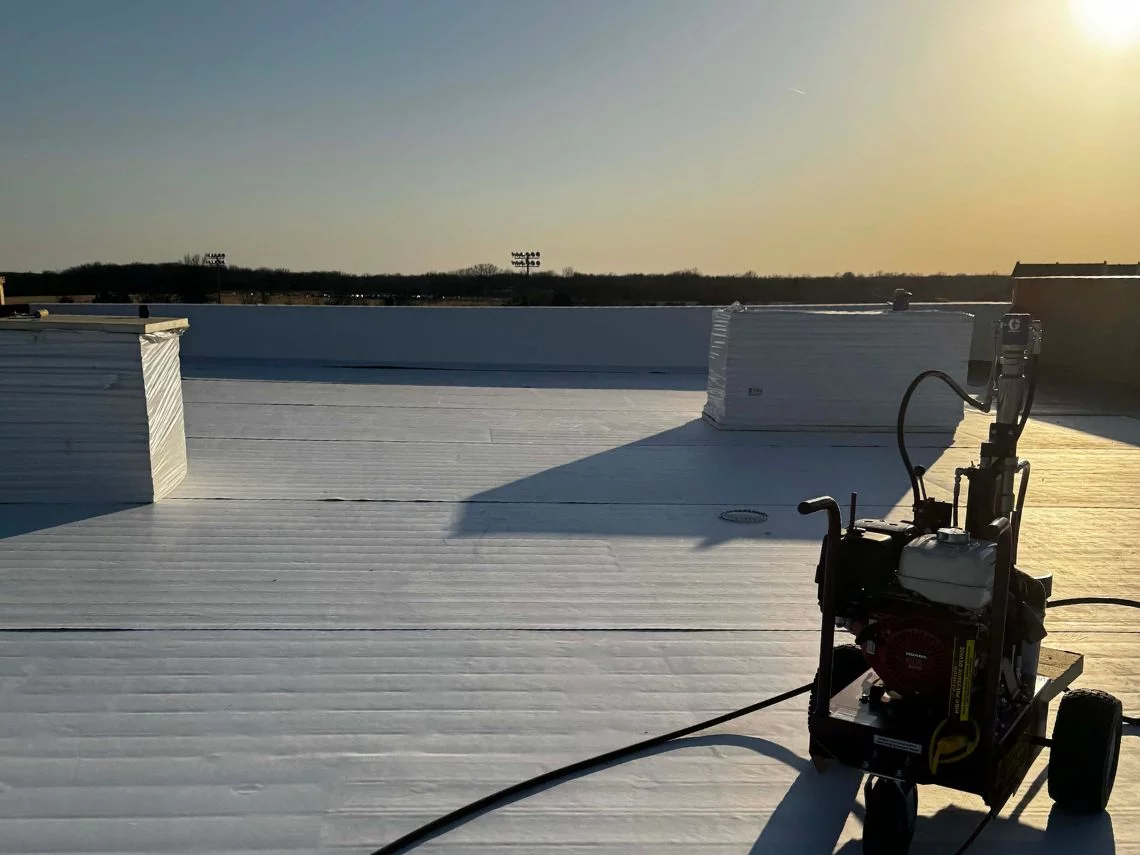 Commercial Roof Repair in St. Petersburg | Planned & Emergency
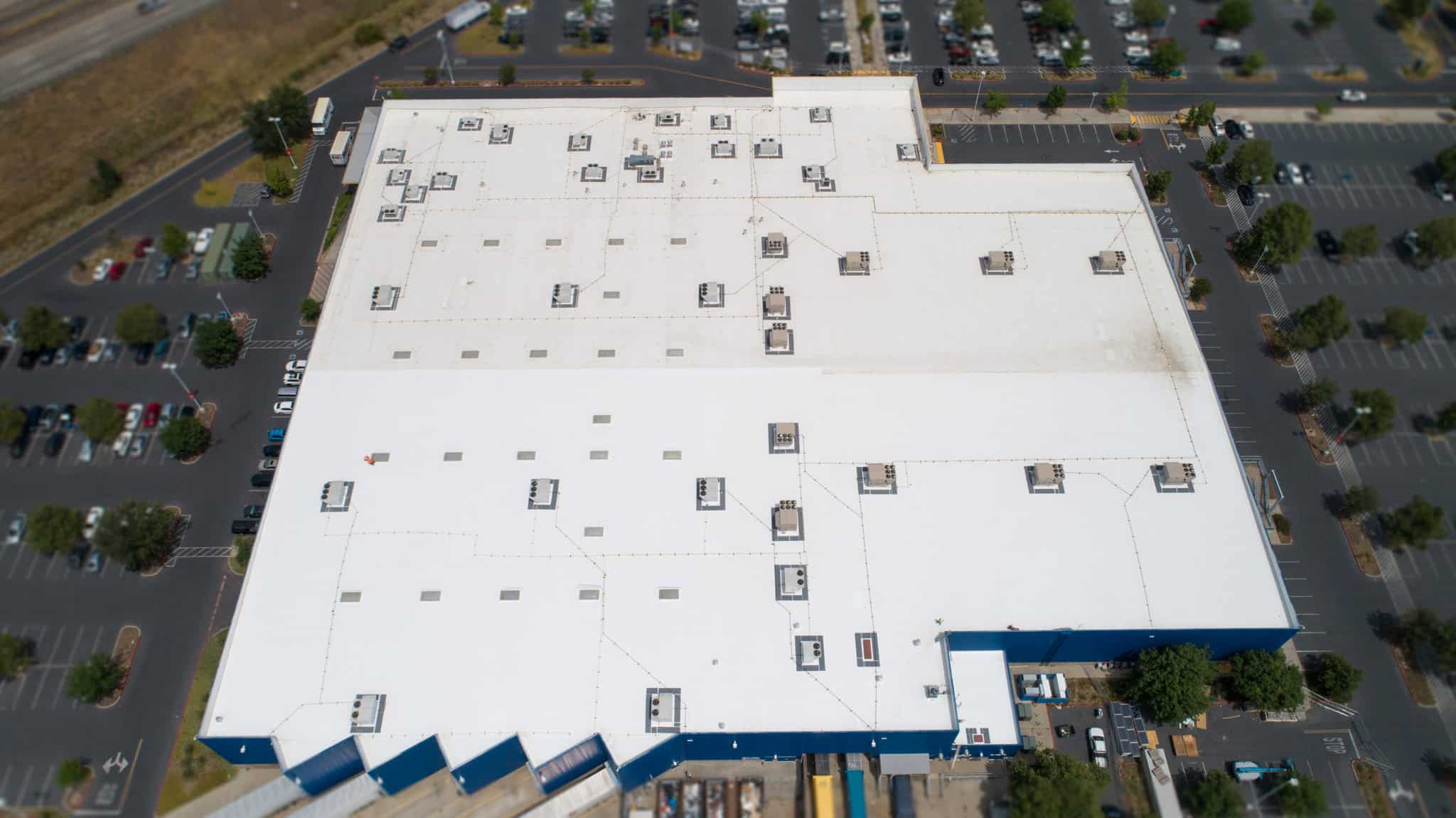 Commercial Re-Roofing
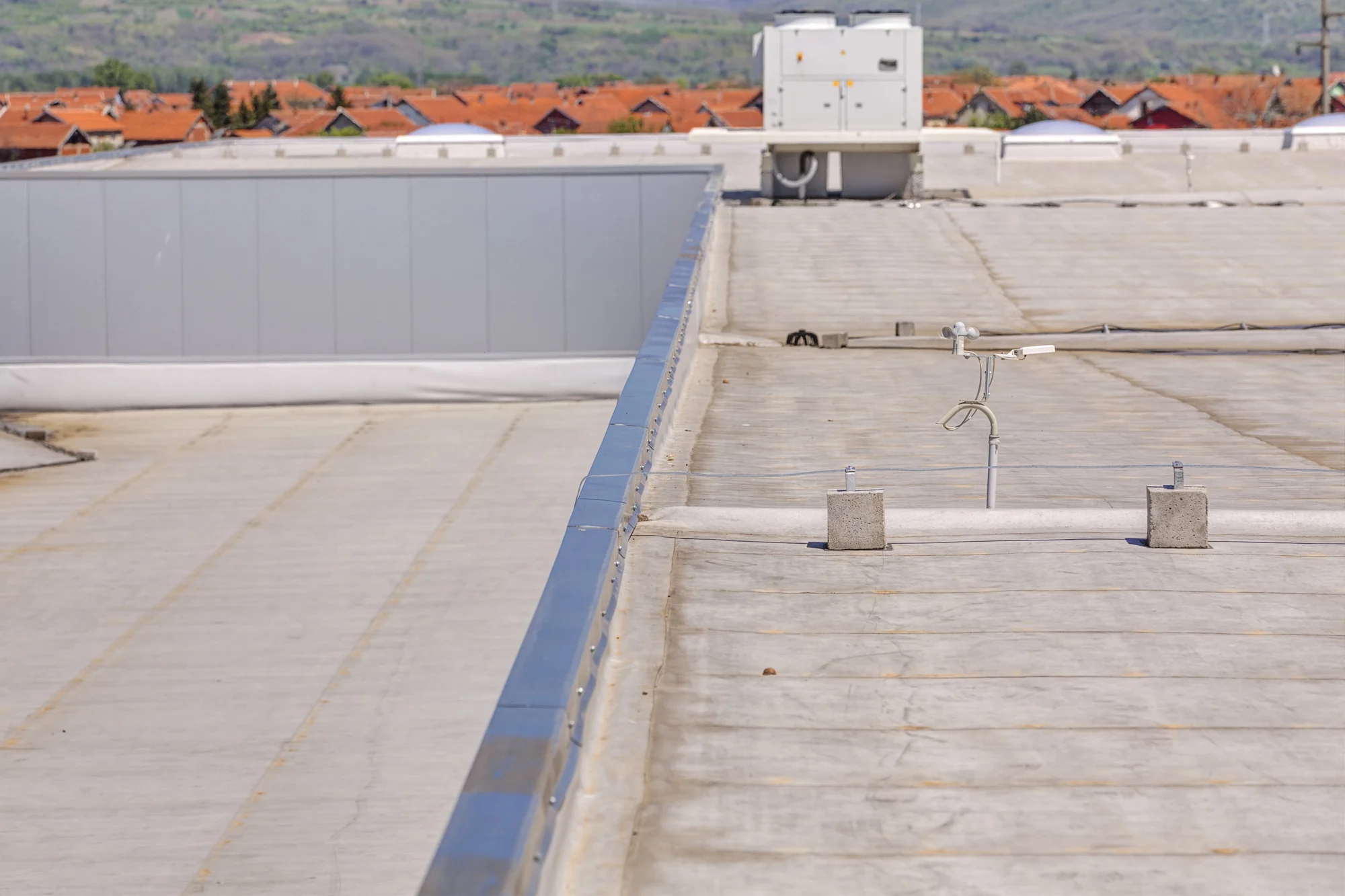 Occupied Building Re-Roofing
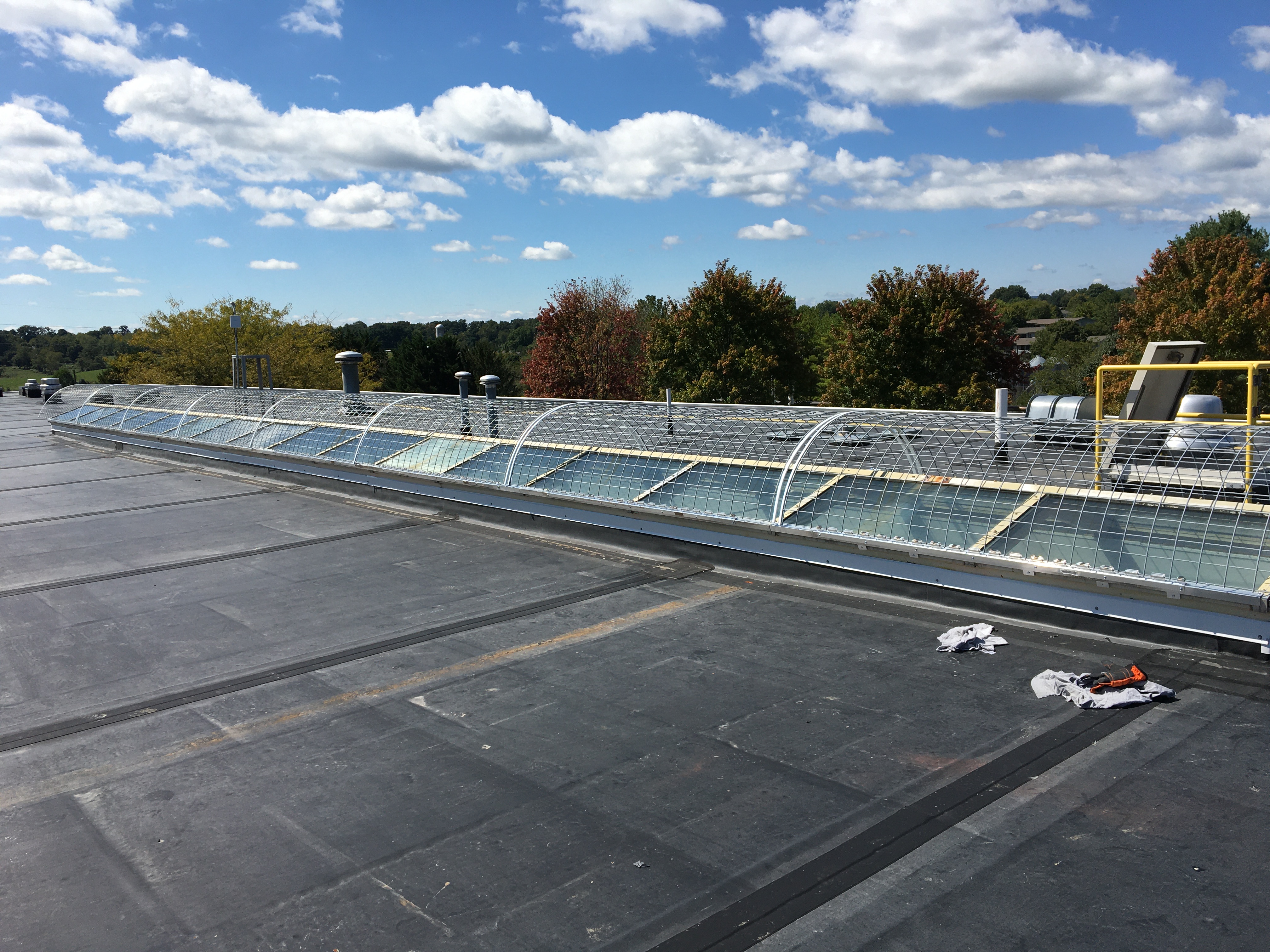 Roof Recover and Overlay