First United Methodist Church of Saint Petersburg anchors one of Pinellas County's largest congregations, and its campus along the Pinellas Peninsula faces the full force of what meteorologists recognize as one of the most active hurricane corridors in the continental United States. Commercial roofing work on St. Petersburg churches demands not just technical competence but a deep understanding of the Florida Building Code's high-velocity wind requirements, the specific failure modes that Gulf Coast storms exploit, and the kind of proactive storm-hardening that separates a church that reopens within days of a hurricane from one that undergoes months of remediation. Our team specializes in exactly this work throughout Pinellas County.
Pinellas County sits within a designated high-velocity hurricane zone, and Florida Building Code wind uplift requirements here are among the strictest in the state. Every roofing assembly we specify for a St. Petersburg church is engineered to meet the calculated design wind pressure for the building's specific height, roof zone, exposure category, and geographic location. We use FM Approved or UL Listed assemblies and document the approval reference numbers in our project submittals — a step that your insurance carrier and building official will both require.
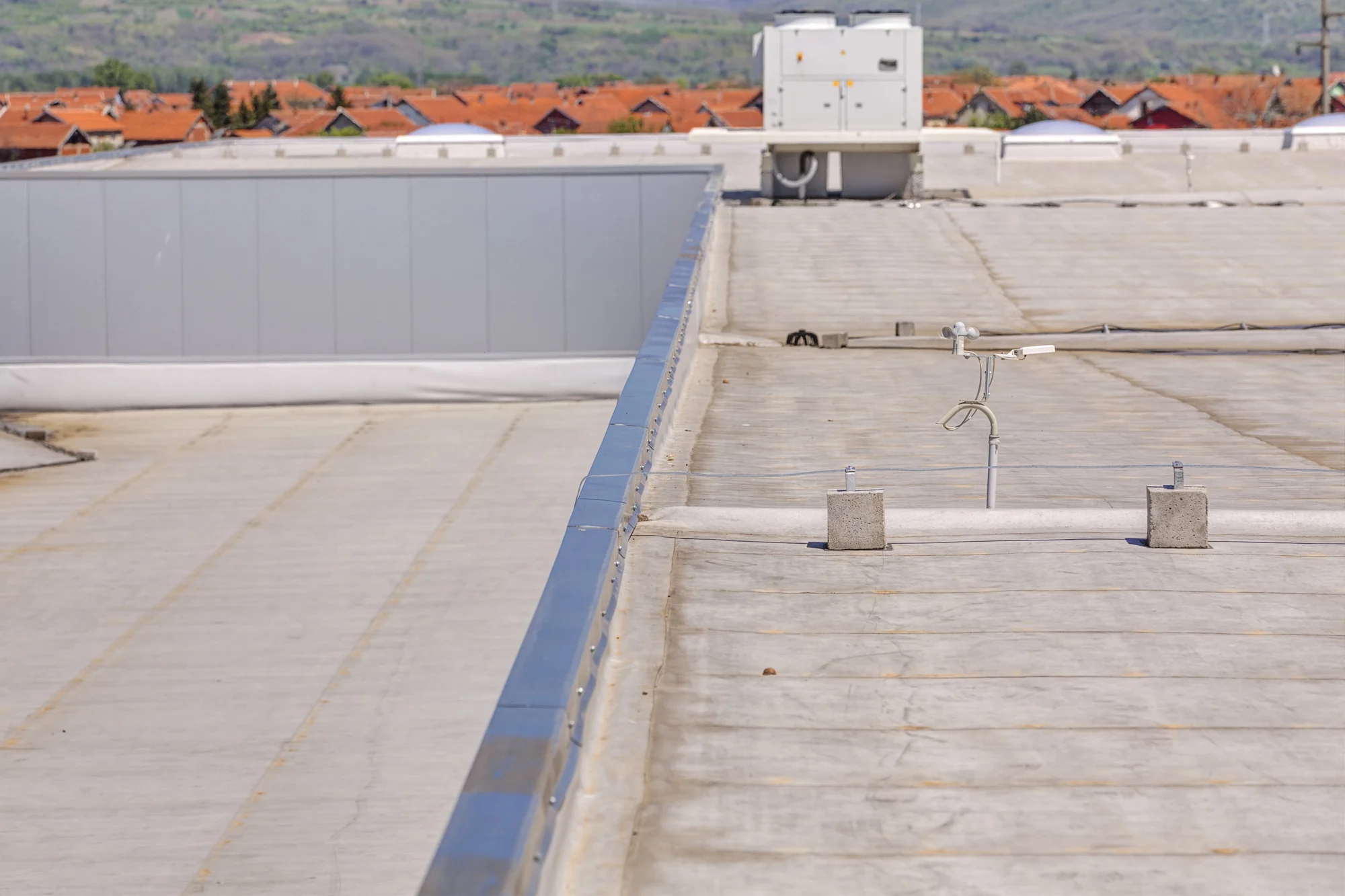
Edge metal failure is the most common entry point for hurricane wind damage on flat commercial church roofs. When edge metal detaches under high wind, the membrane beneath it peels back in a progressive failure that can strip an entire roof in minutes. We install heavy-gauge edge metal with enhanced fastening patterns that exceed the minimum Florida Building Code requirements, and we treat every drip edge, coping cap, and gravel stop as a critical structural component rather than a finishing detail. On existing church buildings, we offer standalone edge-metal upgrade services that dramatically improve storm resistance without requiring a full re-roof.
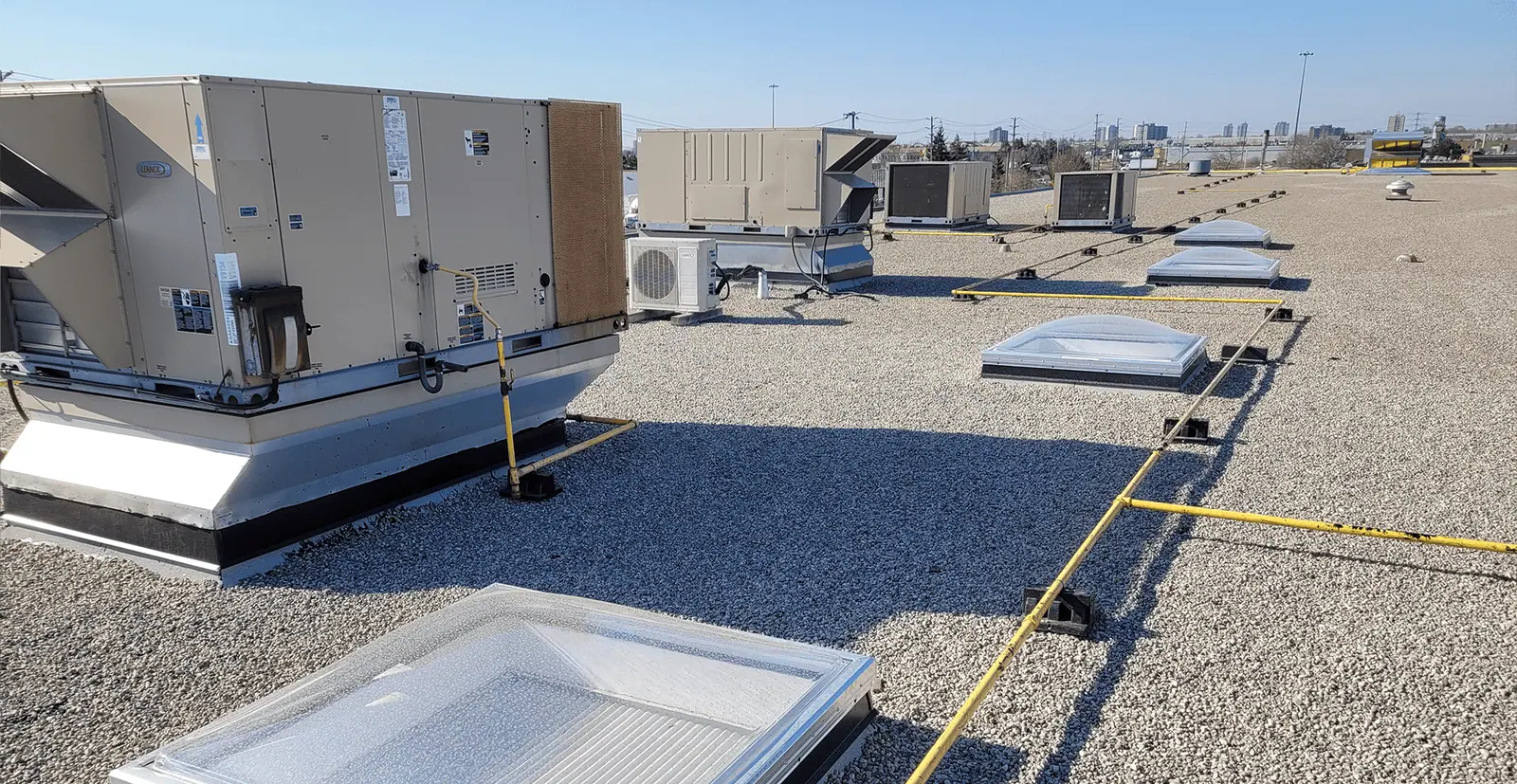
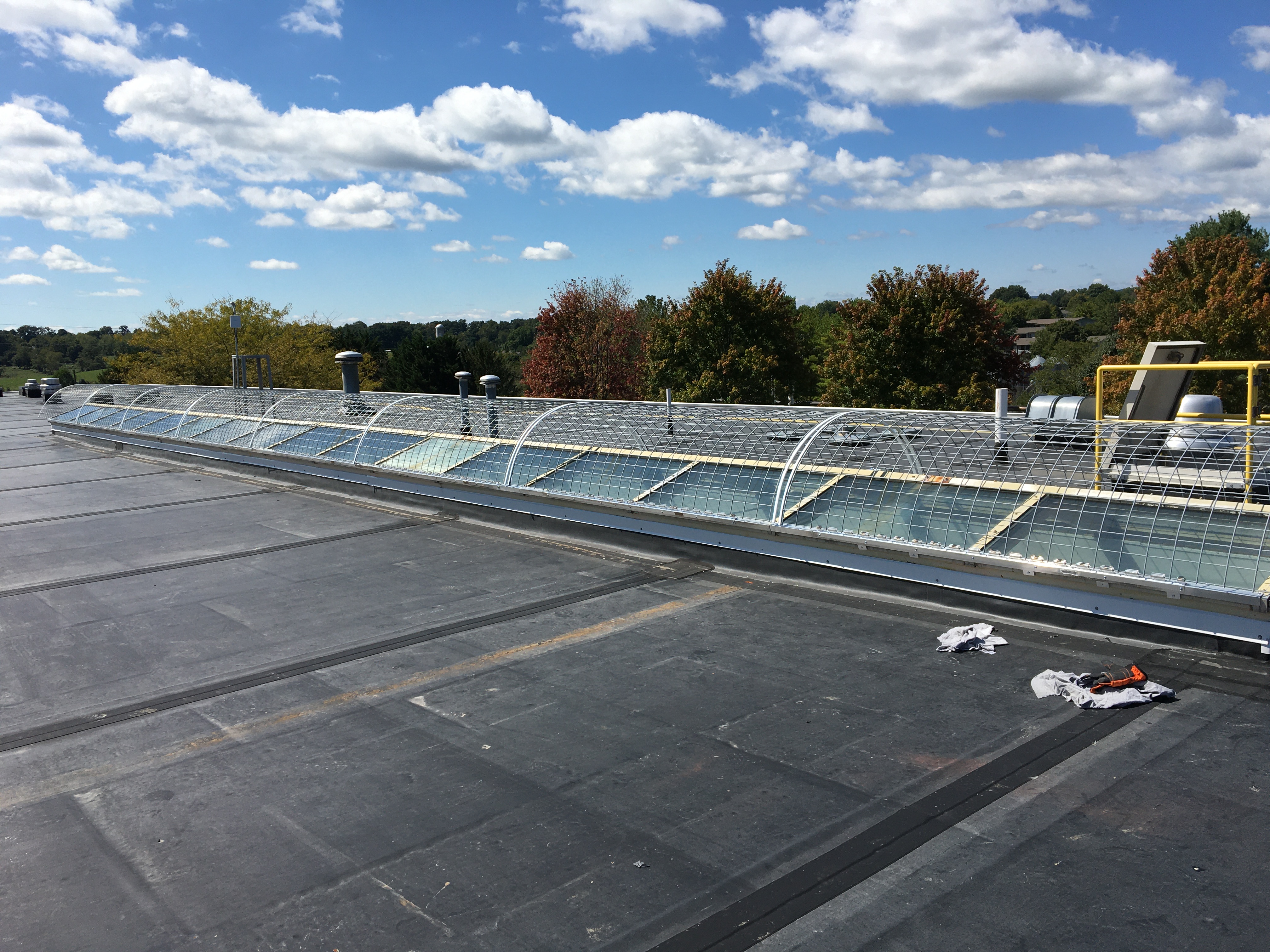
Skylights, HVAC curbs, steeple base flashings, and plumbing penetrations are all vulnerability points that deserve individual attention on St. Petersburg church roofs. We inspect every penetration during our initial assessment and repair or reinforce any detail that does not meet current code. Impact-resistant skylights with proper curb height and flashing details, hurricane-rated HVAC equipment pads, and through-wall counterflashing at parapets are all elements that we address as part of a comprehensive storm-hardening approach.
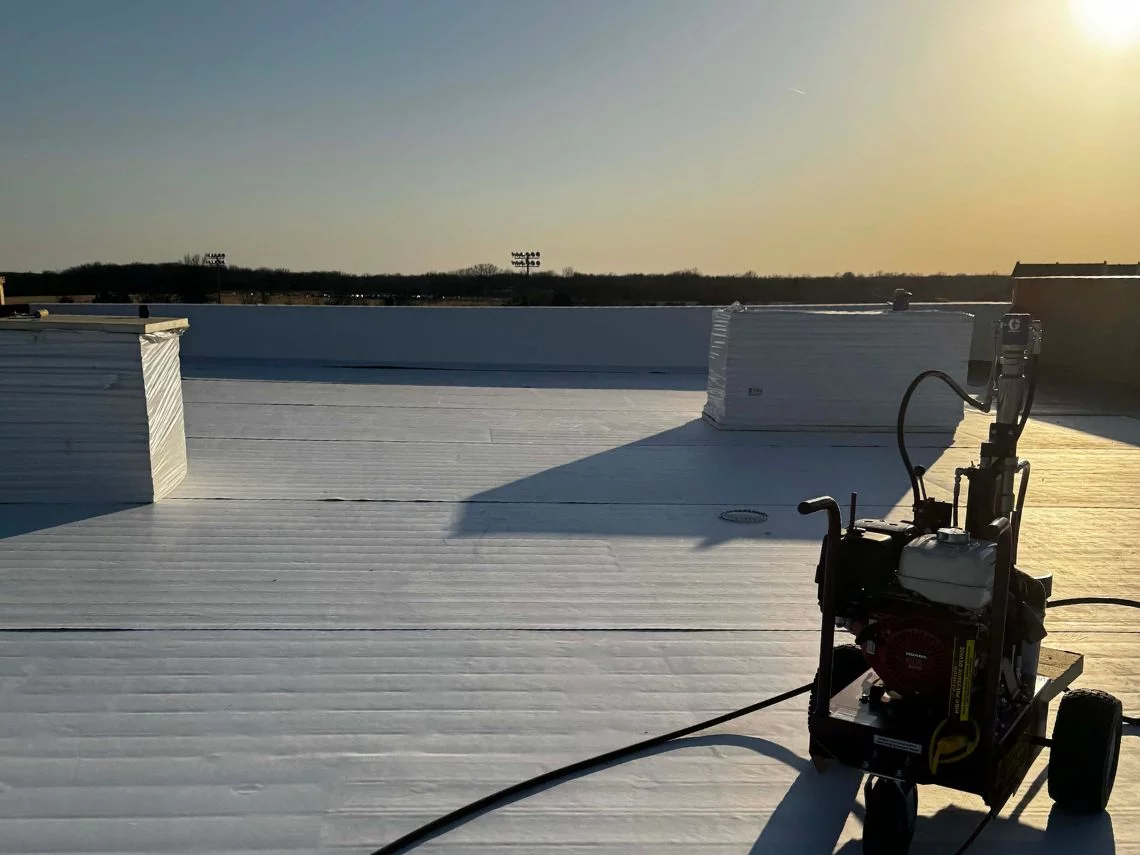
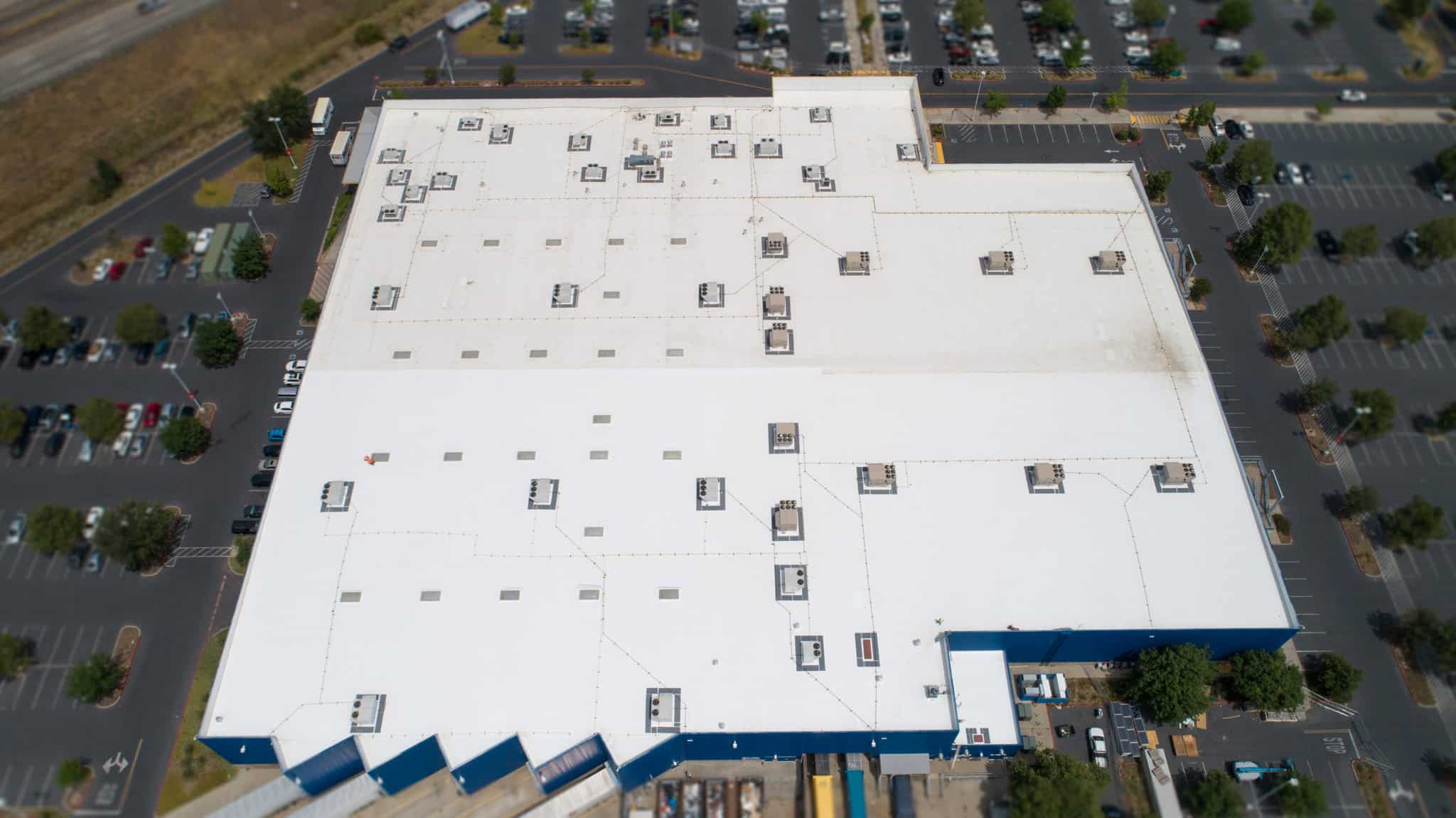
The Gulf Coast heat and intense UV environment in St. Petersburg accelerate membrane degradation, particularly on dark or aged surfaces. Reflective white TPO and PVC membranes are our standard recommendation for the region — they meet Florida Building Code wind requirements, dramatically reduce cooling loads, and resist UV breakdown far better than their predecessors from even a decade ago. Many St. Petersburg congregations have measured meaningful reductions in summer air conditioning costs after upgrading to modern reflective roof systems.
Capital campaigns at St. Petersburg churches frequently accelerate after a significant hurricane season, when the congregation has witnessed firsthand the cost of inadequate storm protection. We are experienced in working with church finance committees and boards of trustees to develop scopes and pricing that can be presented to donors in the context of a storm resilience campaign. Our project documentation supports insurance premium discussions and can help churches make the case to their insurer for premium adjustments after a certified storm-hardening upgrade.
Clear-span sanctuary roofs at St. Petersburg churches often use pre-engineered metal framing over concrete block walls — a construction type that is common throughout Florida. The interface between the metal roof framing and the masonry walls is a critical detail that must be properly anchored to resist hurricane uplift forces. We inspect these connections during our assessment and recommend structural reinforcement when existing connections are inadequate for current wind load requirements.
Scheduling on St. Petersburg church campuses requires balancing the congregation's year-round activity calendar against the optimal roofing window before hurricane season. We recommend targeting project completion by May 31 each year, which provides a buffer before the June 1 official start of hurricane season. Projects beginning in the fall after hurricane season can also be productive, with completion targets set for the following spring. We manage procurement and permitting timelines to hit these seasonal targets reliably.
After every major storm that threatens the St. Petersburg area, we conduct rapid post-event assessments for our church clients, documenting any damage for insurance claims and prioritizing emergency repairs to prevent secondary water intrusion damage. This rapid-response capability is part of the value we provide to St. Petersburg congregations, and it has made a tangible difference for our clients following recent storm seasons. Contact us today for your no-cost campus hurricane readiness assessment.
- What wind uplift ratings do you specify for St. Petersburg church roofs?
- We calculate design wind pressure for each building using Florida Building Code methods and specify FM or UL Listed assemblies that meet or exceed that pressure. Pinellas County's high-velocity hurricane zone requirements are among the most demanding in the state.
- Why is edge metal so important for hurricane protection on church roofs?
- Edge metal failure is the leading initiating cause of progressive membrane loss during hurricanes. When edge metal detaches, the membrane peels back rapidly. We specify heavy-gauge edge metal with enhanced fastening patterns that exceed minimum code to prevent this failure mode.
- Can you complete a St. Petersburg church roof project before hurricane season?
- Yes. We target May 31 completion for all hurricane-season-sensitive projects. Starting planning in the fall or early winter allows adequate time for permitting, procurement, and construction to meet that deadline.
- Do you offer standalone storm-hardening services without a full re-roof?
- Yes. We can upgrade edge metal, reinforce penetration flashings, and address identified vulnerabilities on an existing roof without requiring full replacement. This is a cost-effective option for roofs that have remaining service life but inadequate storm details.
- How do you support insurance claims after hurricane damage on a church?
- We conduct rapid post-storm assessments with photographic documentation suitable for insurance submission. We also provide written scope-of-work proposals for required repairs that align with the damage documentation, supporting the claims process.
 Commercial Roof Repair in St. Petersburg | Planned & Emergency
 Commercial Re-Roofing
 Occupied Building Re-Roofing
 Roof Recover and Overlay